Bazaar Market
Visit bazaar.rocks Web Dev Full-stack commerce SvelteKitDjangoPostgreSQLTailwind CSS
A full-stack marketplace for used gear, vehicles, tools, and other high-value goods.

Systems + Software
I'm Rob Rothschild, a systems & software engineer in Bellingham, WA, focused on simulation, data analytics, and interactive tools for hardware and test systems.
Explore projects across C++ gameplay, Python and MATLAB data-analysis tools, and modern web apps built with Astro, Django, and SvelteKit.
Current Projects
A full-stack marketplace for used gear, vehicles, tools, and other high-value goods.
A custom dashboard for comparing collected test data against model predictions and engineering expectations.

An arcade-style C++ project focused on moment-to-moment control, collision, and responsive gameplay systems.

An interactive modeling and analysis dashboard built to make simulation outputs easier to inspect and compare.

An early client-facing website built to present a Pacific Northwest sculptor and quarry operation online.

NASA's Astronomy Picture of the Day
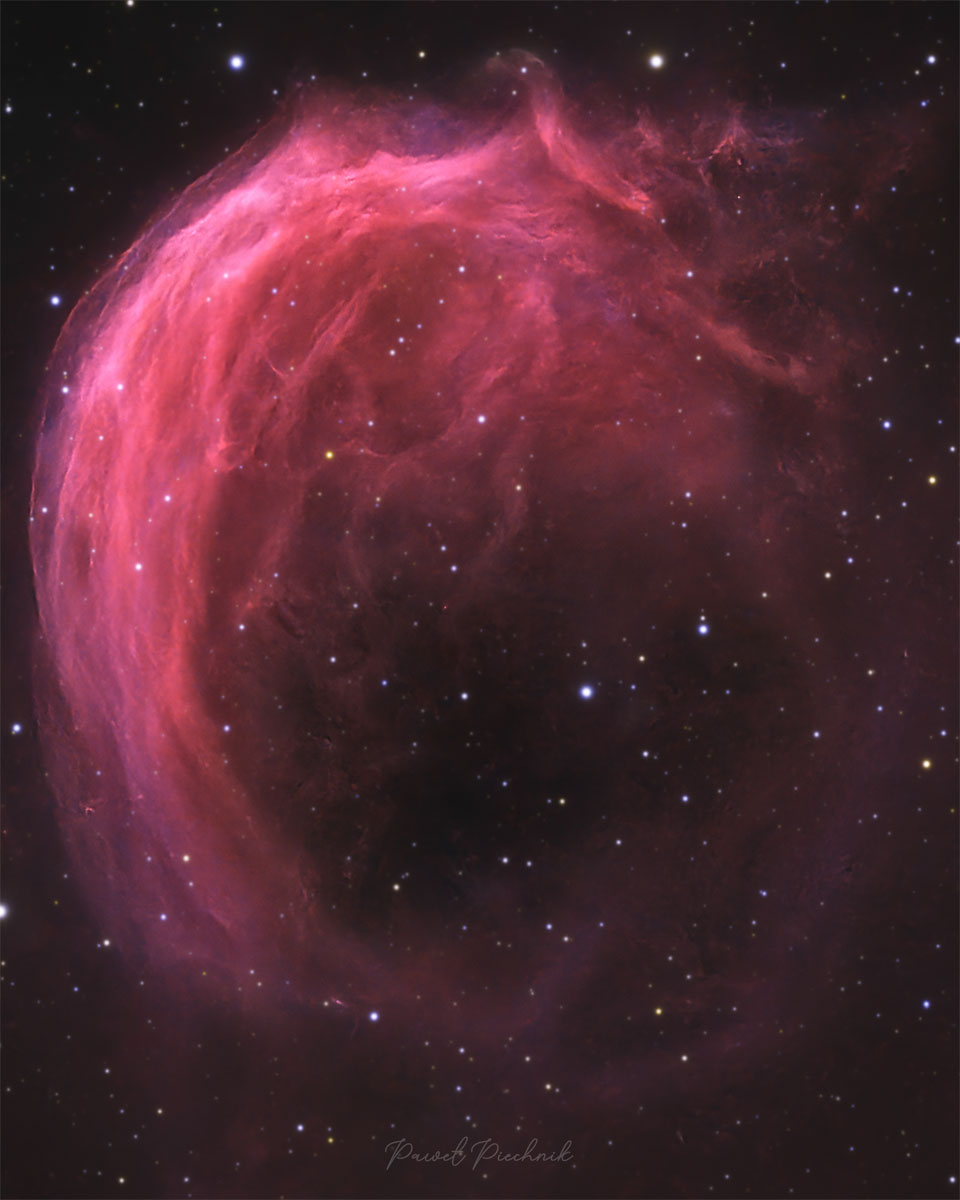
What causes the swirl in the Shrimp Nebula? Its high speed is likely. What is sure is that Sh2-188 is one of the larger planetary nebulas on the night sky, by angular size, spanning about half the diameter of the Moon. Moreover, the white-dwarf core -- leftover from the Sun-like star that shed its outer atmosphere -- is moving unusually fast through interstellar space, creating a bow shock most visible on the upper left that is similar to a boat plowing through water. Although faint, the Shrimp Nebula glows also by compressing and brightening gas on its leading edge. The featured image was taken in the light of hydrogen, sulfur, and oxygen by a backyard telescope in Krakow, Poland and then digitally adjusted to approximate the nebula's true colors. APOD's email for image submissions has changed. Please see: APOD Submissions APOD's main NASA site has moved: From apod.nasa.gov to science.nasa.gov/apod